
Warum sich Produkte auf weißem Hintergrund immer noch besser verkaufen
Marktplätze belohnen dies, Käufer scannen schneller, und das Produkt steht nicht mehr im Wettbewerb mit dem eigenen Küchentisch.
Dieser Artikel wurde automatisch übersetzt. Das englische Original ist der von uns verfasste Text.
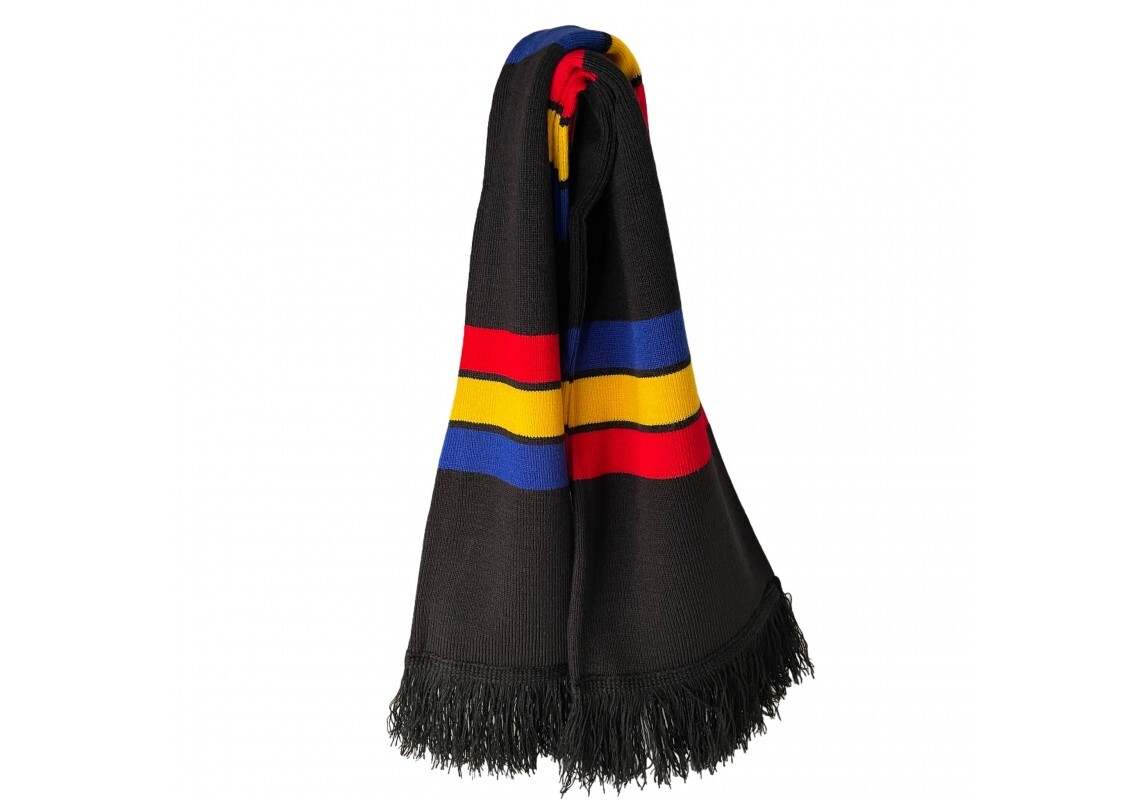
Fast jeder Online-Marktplatz in Europa – eMAG, Allegro, Amazon, Bolt Food für Fertiggerichte – verlangt entweder einen einfarbigen Hintergrund für das Hauptbild oder stuft Bilder mit einem solchen Hintergrund stillschweigend höher ein. Das ist keine ästhetische Vorliebe, sondern ein Problem beim Scannen.
Ein Kunde, der mit dem Handy einkauft, hat etwa zwei bis fünf Sekunden Zeit, um sich einen Überblick zu verschaffen. In diesem Zeitfenster bewertet er Ihr Produkt nicht, sondern sortiert Optionen aus. Alles, was visuelle Ablenkung verursacht – eine Arbeitsplatte, eine Hand, eine Spiegelung im Fenster –, kostet Sie einen Bruchteil einer Sekunde, und dieser Bruchteil einer Sekunde ist das gesamte Budget.
Das Gegenargument ist stichhaltig: Ein weißer Ausschnitt sagt dem Käufer nichts über den Maßstab oder den Kontext. Deshalb erfüllen das Hauptbild und die Bildergalerie unterschiedliche Aufgaben. Beginnen Sie mit dem klar gestalteten Bild, damit Sie sich im Raster behaupten können, und nutzen Sie dann die Bilder zwei bis fünf für die Lifestyle-Szene, den Maßstabsvergleich und die Detailaufnahme.
Was wir auf keinen Fall tun werden, ist, das Etikett zu fälschen. Wenn sich der auf dem Produkt aufgedruckte Text verzerrt, wenn wir den Aufnahmewinkel korrigieren, fotografieren wir das Produkt aus einem anderen Winkel neu oder behalten das Originalbild bei. Ein Käufer, der etwas erhält, das nicht mit dem Foto übereinstimmt, führt zu einer Rückerstattung, einer negativen Bewertung und einer Herabstufung im Ranking – was weitaus mehr kostet als die Aufnahme selbst.