
Por que é que um fundo branco continua a vender mais
As plataformas de comércio eletrónico recompensam isso, os compradores analisam os produtos mais rapidamente e o produto deixa de competir com a própria mesa de cozinha.
Este artigo foi traduzido automaticamente. O original em inglês é o que nós escrevemos.
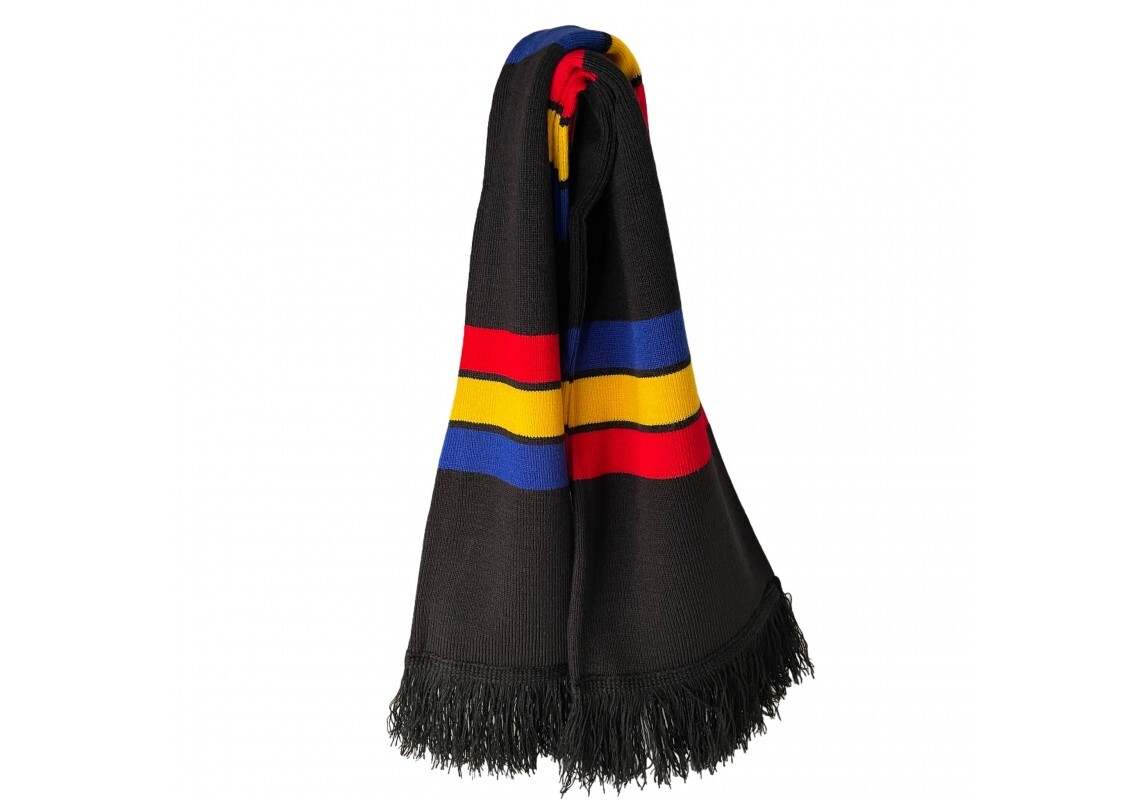
Quase todas as plataformas de comércio eletrónico na Europa — eMAG, Allegro, Amazon, Bolt Food para produtos preparados — exigem um fundo liso na imagem principal ou, discretamente, atribuem-lhe uma classificação mais elevada. Não se trata de uma preferência estética. Trata-se de um problema de leitura.
Um consumidor que está ao telemóvel analisa a grelha de resultados num intervalo de dois a cinco segundos. Nesse período, não está a avaliar o seu produto; está a eliminar opções. Qualquer elemento que acrescente ruído visual — uma bancada, uma mão, o reflexo de uma janela — custa-lhe uma fração de segundo, e essa fração de segundo é todo o tempo disponível.
O contra-argumento é válido: uma imagem em recorte branco não diz nada ao comprador sobre a escala ou o contexto. É por isso que a imagem principal e a galeria têm funções diferentes. Comece com o enquadramento simples para se destacar na grelha e, em seguida, utilize as imagens 2 a 5 para a cena de estilo de vida, a referência de escala e a imagem macro detalhada.
O que não faremos é falsificar o rótulo. Se o texto impresso no produto ficar distorcido quando corrigirmos o ângulo, voltamos a fotografar esse ângulo ou mantemos a imagem original. Um comprador que receba um produto que não corresponda à fotografia implica um reembolso, uma avaliação negativa e uma penalização na classificação — o que custa muito mais do que a fotografia em si.